Author: iSantiRootAdminUser

  • Why Glass Remains the Packaging of Choice

    Why Glass Remains the Packaging of Choice

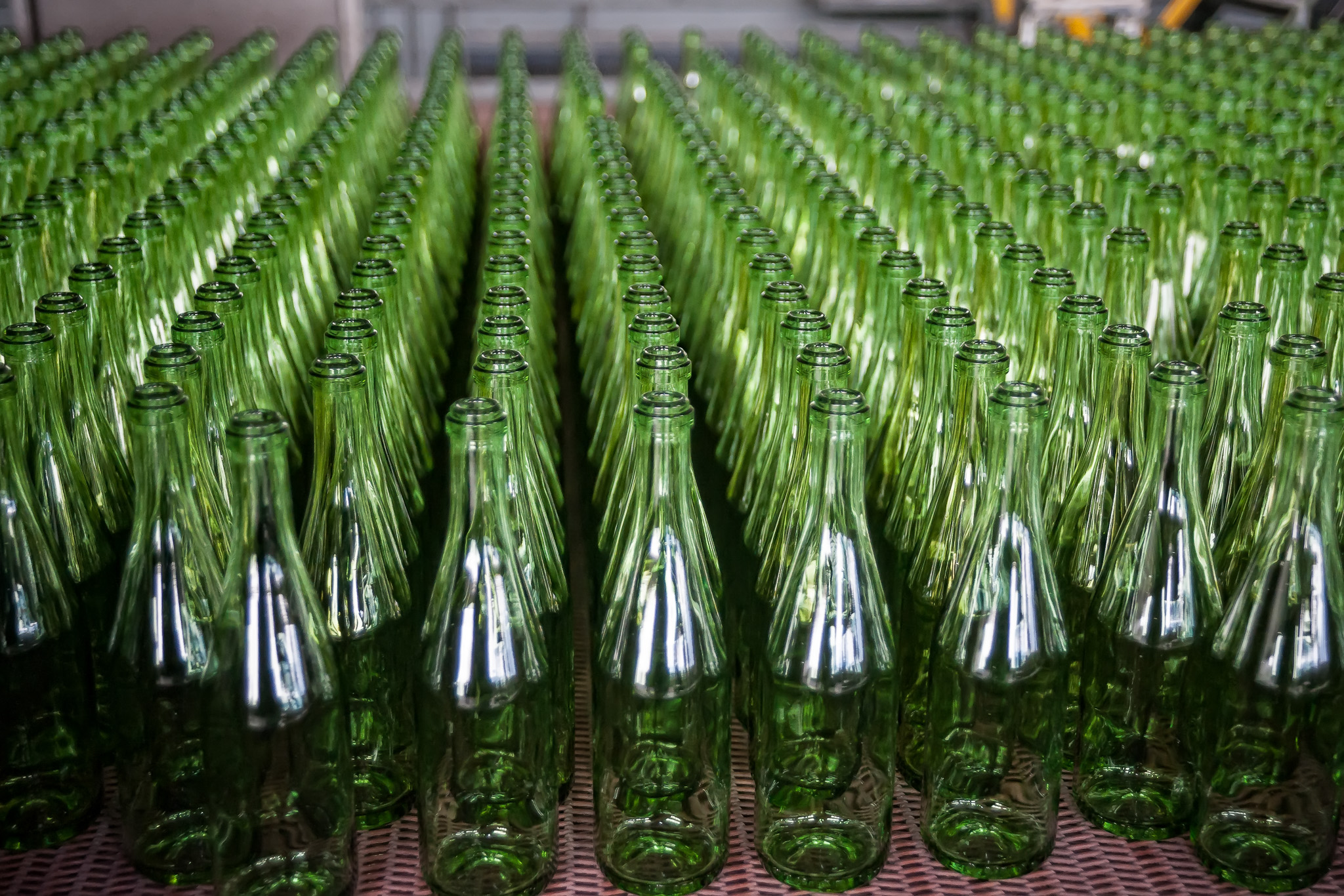
    As commercial food and beverage brands balance evolving consumer expectations with strict environmental regulations, packaging decisions have shifted from simple logistics to core business strategy. While alternative materials flood the market, glass packaging remains the gold standard for premium appeal, product safety, and true environmental responsibility.

    For industries ranging from beer and spirits to carbonated soft drinks and processed foods, glass is more than a container; it is a commitment to quality. Here is why leading brands continue to choose glass to protect their products and amplify their market presence.

    True Circularity Through Infinite Recyclability

    Many packaging materials degrade or downcycle during processing, eventually ending up in landfills. Glass is fundamentally different: it can be recycled endlessly without losing its clarity, strength, or purity.

    By increasing the use of recycled content, manufacturers drastically lower energy consumption. Every bottle returned to the loop helps conserve natural resources and lower carbon emissions, keeping the lifecycle completely closed.

    Uncompromised Product Purity and Shelf Life

    For food, wine, spirits, and non-alcoholic beverages, taste and preservation are paramount. Glass is chemically inert, does not absorb moisture, and is completely stable.

    • Zero Leaching: Unlike certain plastics or lined cans, glass does not react with its contents, ensuring no unwanted chemicals or synthetic tastes alter the product.
    • Natural Barrier: It provides an absolute barrier against oxygen and moisture, protecting product freshness and significantly extending shelf life.
    • Authenticity: For premium brands, glass ensures that the consumer experiences the exact flavour profile, aroma, and quality intended by the producer.

    Supporting a Resilient Circular Economy

    Modern packaging solutions must contribute to an ecosystem where materials remain in use for as long as possible. Because glass is inherently durable, reusable, and refillable, it supports sustainable supply chains without compromise.

    With South Africa’s Extended Producer Responsibility (EPR) regulations actively shaping the manufacturing landscape, transitioning to glass allows businesses to meet environmental mandates while reducing long term packaging waste.

    Driving Brand Equity with Premium Design

    In a crowded retail environment, packaging serves as the primary customer touchpoint. Consumers consistently associate glass with quality, safety, and environmental stewardship.

    Glass is also a highly customisable canvas for premium brand design:

    • Custom Geometric Shapes: Unique structural silhouettes that stand out on the retail shelf and signal a distinct brand identity.
    • Deep Embossing: Tactile texture and heritage motifs applied directly into the glass body.
    • Unique Colours: Amber, emerald, and flint tones that protect contents from UV light while building strong brand recognition.

    A Proven Solution for the Future

    For brands seeking packaging that delivers functional performance, regulatory readiness, and compelling market appeal, glass remains the definitive choice.
  • From Furnace to Future: How Responsible Manufacturing Shapes Sustainable Glass

    From Furnace to Future: How Responsible Manufacturing Shapes Sustainable Glass

    When evaluating the sustainability of a packaging material, it is not enough to look at the finished product on a retail shelf. True environmental responsibility is forged right at the beginning, inside the manufacturing facility.

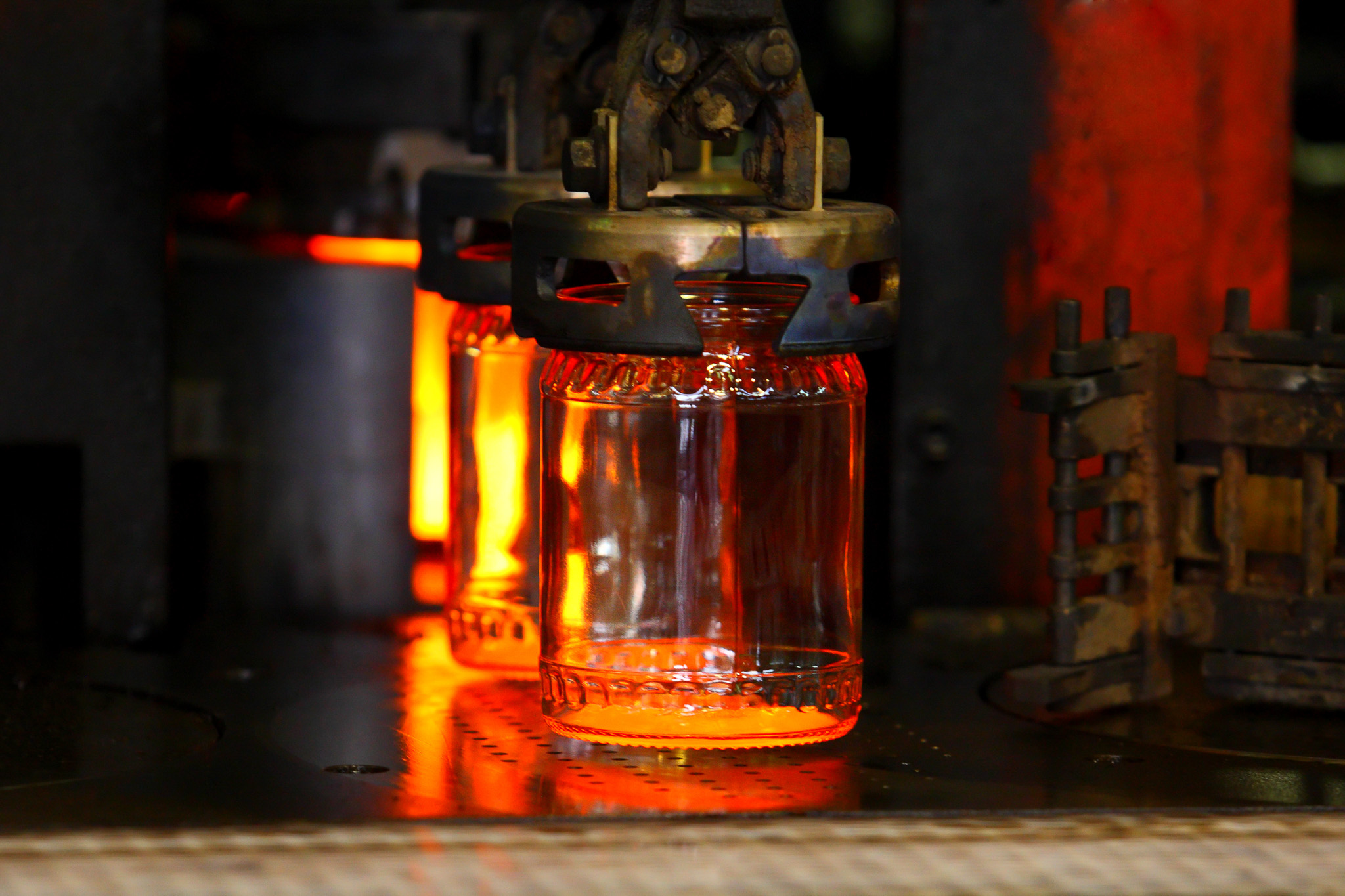
    For glass to fully realise its potential as the most environmentally responsible packaging material, the production process itself must evolve. At Isanti Glass, sustainability is built directly into how our glass is made. By combining engineering innovations with strict resource management, modern glass production is proving that industrial scale and a small environmental footprint can go hand in hand.

    Here is how cutting-edge manufacturing practices are redefining the future of sustainable glass packaging.

    Optimising the Melt with High Cullet Ratios

    The foundational secret to low emission glass manufacturing lies in a single material: cullet (recycled processed glass).

    When raw materials like sand, limestone, and soda ash are melted to form glass, it requires a high thermal threshold. Cullet, however, melts at a significantly lower temperature than raw ingredients.

    • Energy Reduction: For every 10% increase in cullet used in the batch, the energy required to run the furnace drops by approximately 2.5% to 3%.
    • Emission Control: Lower melting temperatures translate directly into reduced greenhouse gas emissions from the manufacturing plant, allowing facilities to drastically reduce their carbon output while maximising production volume.

    Engineering Lower Emission Furnaces

    The heart of any glass plant is its furnace. Traditional manufacturing historically relied on heavy fossil fuel consumption to maintain the intense temperatures required for continuous container production.

    Today’s responsible manufacturing relies on advanced furnace designs. By integrating oxygen combustion technologies and electric boosting systems, modern furnaces burn fuel far more cleanly and efficiently. These thermodynamic enhancements ensure that heat distribution is perfectly targeted, drastically minimising nitrogen oxide and carbon dioxide byproducts before they ever reach the stack.

    Capturing Potential: Waste Heat Recovery Systems

    Industrial manufacturing naturally generates high thermal energy, but in a sustainable facility, that heat is never wasted. Advanced production lines feature Waste Heat Recovery (WHR) systems.

    By capturing the thermal energy from furnace exhaust gases, plants can redirect this energy to pre-heat raw batch materials or even generate electricity for other operational areas of the facility. This circular thermodynamic loop turns a manufacturing byproduct into a functional energy source.

    Closed Loop Production Scrap Systems

    Even within a highly optimised plant, mechanical forming processes can create minor deviations or internal scrap (known as internal cullet).

    Rather than allowing this material to enter a waste stream, modern plants feature automated, closed loop scrap systems. Any container that fails to meet stringent structural or aesthetic quality checks is immediately redirected back to the batch house, crushed, and remelted. This guarantees zero waste production on the factory floor.

    Packaging That Performs at Scale

    Sustainability in manufacturing cannot come at the expense of industrial performance. Commercial food and beverage brands require thousands of uniform, high strength containers delivered on tight timelines.

    By upgrading the thermodynamic, chemical, and physical processes of production, Isanti Glass delivers packaging that performs flawlessly on high speed bottling lines while keeping environmental stewardship at the centre of operations. The future of packaging is not just about what happens to a bottle after it is used; it is about the responsible journey it takes from the furnace forward.

  • Keep Glass Moving: Partnering with Cullet Suppliers Through the Mgerezi Incentive Platform to Power Sustainable Production

    Keep Glass Moving: Partnering with Cullet Suppliers Through the Mgerezi Incentive Platform to Power Sustainable Production

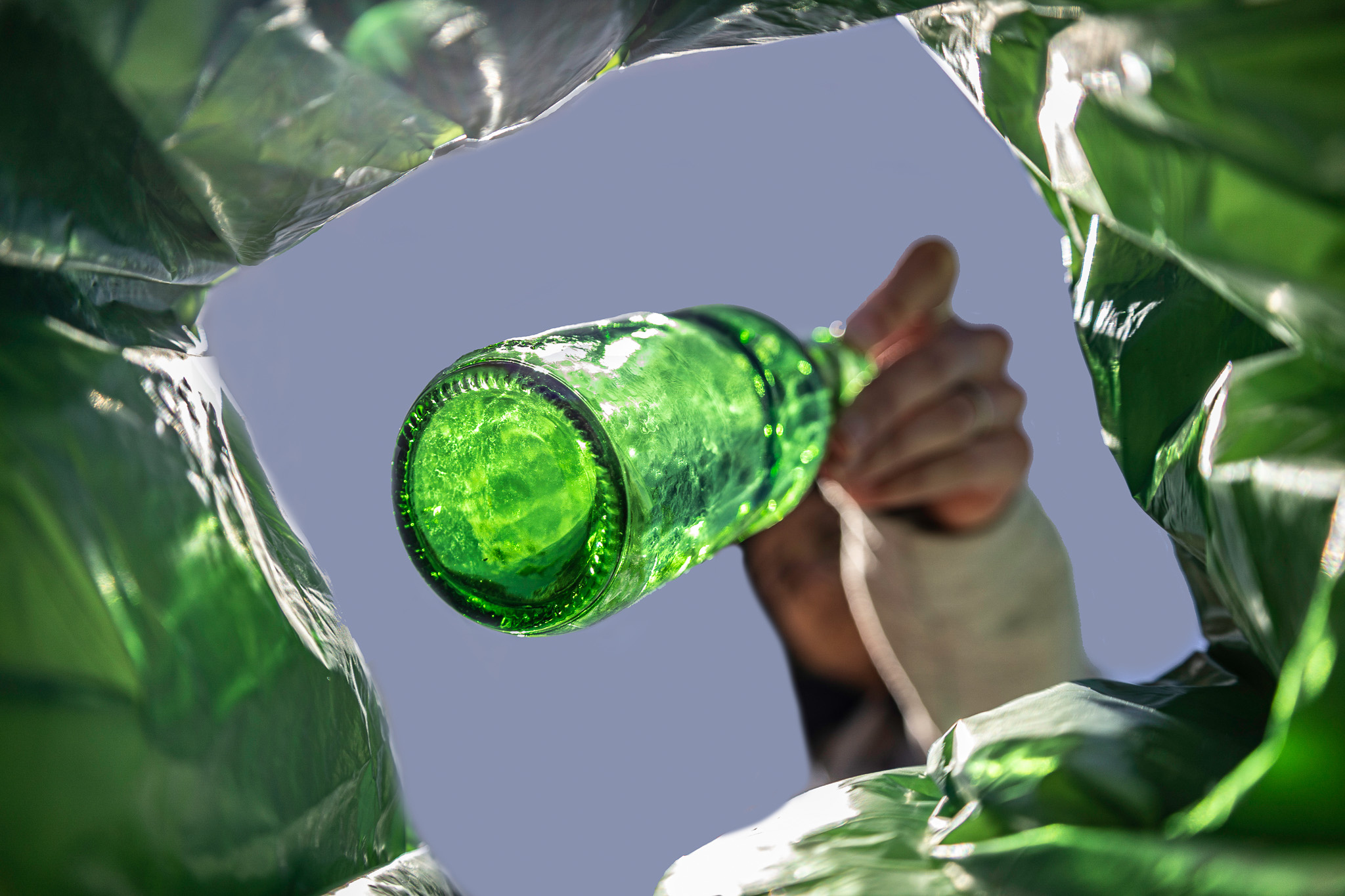
    A circular economy cannot exist in isolation. For a modern manufacturing plant to continuously produce infinitely recyclable packaging, it relies on a steady, high-quality stream of post consumer material.

    To achieve true circularity, the loop must extend far beyond factory walls and integrate directly into local communities. As Shabeer Jhetam, CEO of The Glass Recycling Co. (TGRC), notes: “Recycling glass is one of the simplest and most effective ways we can protect our environment and support sustainable communities. Every jar or bottle recycled goes back into the production cycle, saving energy, conserving natural resources, and reducing landfill waste.”

    Through a strategic partnership between Isanti Glass and TGRC, we are strengthening this loop across South Africa using the Mgerezi Incentive Platform. By combining financial incentives with cutting edge fintech infrastructure, we are ensuring that used glass is diverted from landfills while driving measurable socio-economic empowerment.

    Fuelling the Cycle via Strategic Buyback Alliances

    Securing a consistent supply of clean, furnace-ready recycled glass requires an organised and highly collaborative logistical network. Our partnerships with localised cullet suppliers and buyback centres bridge the critical gap between post consumer waste and primary production.

    Approved buyback centres registered with Isanti Glass serve as vital regional collection nodes. They aggregate, sort, and process post consumer glass, ensuring that materials entering our furnaces meet strict purity standards. To make this ecosystem resilient, Isanti provides substantial financial advantages that optimise operational margins and expand localised buying power.

    Empowering Reclaimers: The Mgerezi Incentive Matrix

    At the heart of South Africa’s glass recycling networks are the waste pickers and reclaimers who recover materials daily. The Mgerezi Platform formalises and rewards their contribution by layering substantial financial incentives directly on top of standard street market values:

    • Wastepicker/Reclaimer Incentives: Reclaimers earn an extra R150 per ton incentive on top of standard cullet market values. This represents a 30% income increase, positioning participating buyback centres as their preferred buyers.
    • Buyback Centre Incentives: Registered buyback centres receive a R100 per ton administrative incentive, directly improving commercial margins and strengthening local buying power.
    • Logistical Transport Subsidies: To mitigate the challenges of long distance logistics, Isanti pays a transport subsidy starting at R40 per ton for every 50km travelled for suppliers delivering glass from locations further than 50km from our plant.

    The Transaction Workflow in Action

    To understand the seamless transparency of the platform, consider a typical 5 ton batch delivery entering the ecosystem:

    1. A reclaimer delivers 5 tons of glass to a registered buyback centre at a base price of R200 per ton, totalling R1,000.
    2. The buyback centre pays the reclaimer the R1,000 base value plus a R750 Mgerezi reclaimer incentive (5 tons × R150/ton).
    3. The buyback centre sells the glass to Isanti at a standard commercial rate (e.g., R500 per ton).
    4. Upon weighing the batch, Isanti instantly reimburses the buyback centre the R750 reclaimer incentive and pays them an additional R500 administrative incentive (5 tons × R100/ton), along with any applicable mileage subsidies.

    De-Risking the Supply Chain with Secure Digital Fintech

    Historically, managing informal supply chains involved significant cash handling risks. The Mgerezi Platform solves this by completely digitising the financial ledger through a partnership with the 6DOT50 (kasiCASH®) transactional ecosystem.

    Buyback centres log transactions via the Mgerezi Platform application, and payments flow instantly into digital wallets. Reclaimers and drivers receive their payouts via secure 6DOT50 vouchers, which can be cashed out for a flat R10 fee at any national Pick ‘n Pay outlet or spent entirely for free across an expansive network of retail partner utilities.

    This digital framework removes the need for cash handling on the street, minimises administrative complexity, and automatically generates transparent compliance reports aligned with TGRC and national auditing standards.

    Strict Data Privacy and POPIA Compliance

    In an increasingly digitised operating environment, safeguarding the identity and personal information of informal and formal supply chain participants is paramount. Reclaimers register on the app seamlessly using a valid South African ID and cellphone number.

    Isanti Glass operates under strict data governance protocols. All collector information, transactional history, and logistics data are securely hosted and managed in full compliance with the Protection of Personal Information Act (POPIA). Personal profiles are never exposed to unverified third parties, guaranteeing peace of mind alongside financial growth.

    Register Today: Close the Loop and Grow Your Business

    The Mgerezi Incentive Platform bridges the gap between environmental responsibility and commercial profitability. By transforming the informal collection economy into a structured, highly rewarded digital network, we protect South Africa’s environment while injecting vital financial resources directly into local communities.